Category
Social
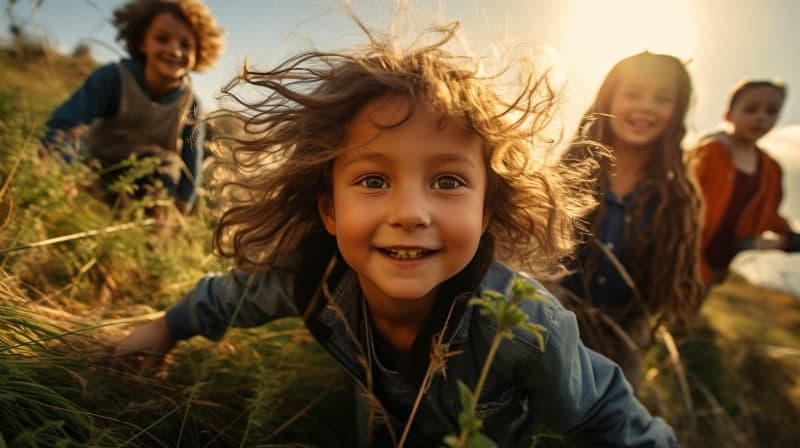
Learning Social Skills for Children With Autism
Understanding and developing social skills can be challenging for children with autism. Autism affects a child’s ability to navigate social norms and understand social cues, which often impacts relationships. Over the last few years, there has been a significant shift towards neurodiversity. With adult autistics speaking up about their experiences with different types of therapy, […]
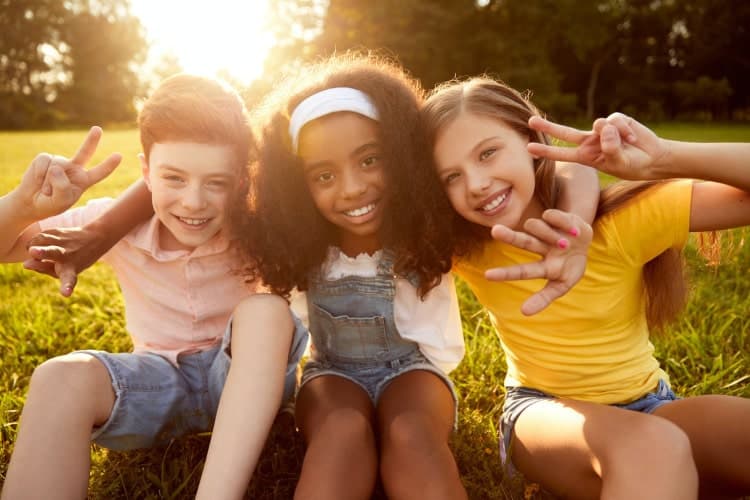
Social Skill Games: Fun Activities to Boost Your Kids Social Skills
Games and activities for socialization are an amazing way for your kids to learn ways to behave and present themselves around peers, whether they are toddlers, preschoolers, or simply kindergarteners. Games can teach your child how to manage their emotions, teach body language and take turns while performing an activity. Benefits of Social Skill Games […]
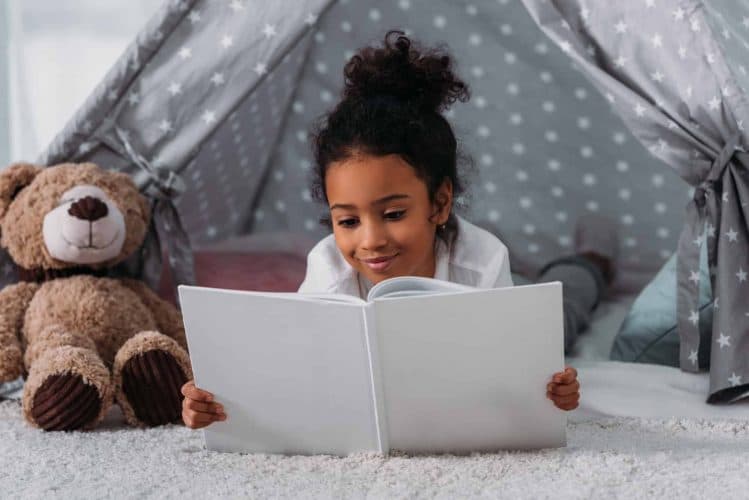
Developing emotional regulation skills in young children to improve their social skills
After experiencing two years of Covid-19 lifestyles, many of our young children are facing difficulties with regulating their emotions and socialising with others. It is important to recognise that behaviours such as shyness and introversion can be an individual’s personality trait, rather than an anti-social behaviour. Likewise, a child who experiences tantrums and meltdowns at […]
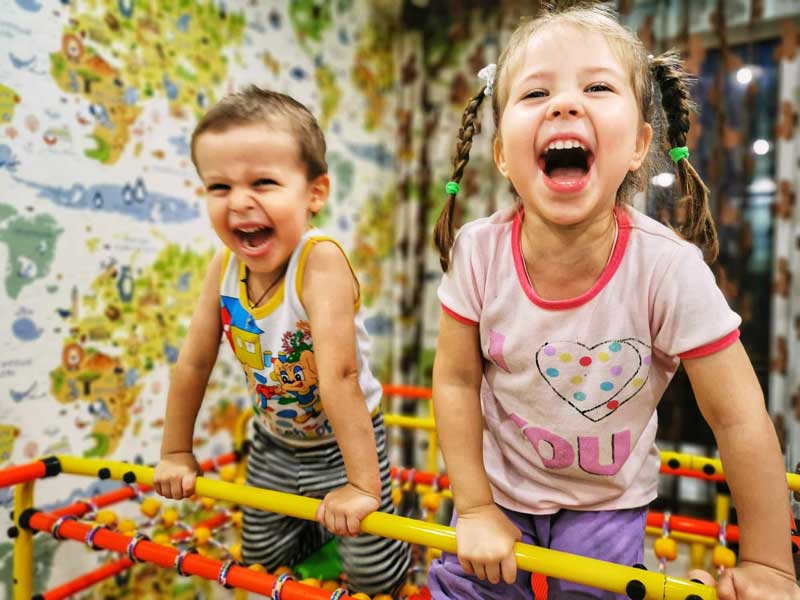
Emotional Regulation Activities: 7 Fun Games to Improve Emotional Regulation
For many children with learning and mental disabilities or disorders, controlling and regulating emotions (emotion regulation) can be one of the most challenging aspects of daily functioning. This is a skill that can be difficult to master for any child but will often require more attention and time for children with special needs, especially autism […]
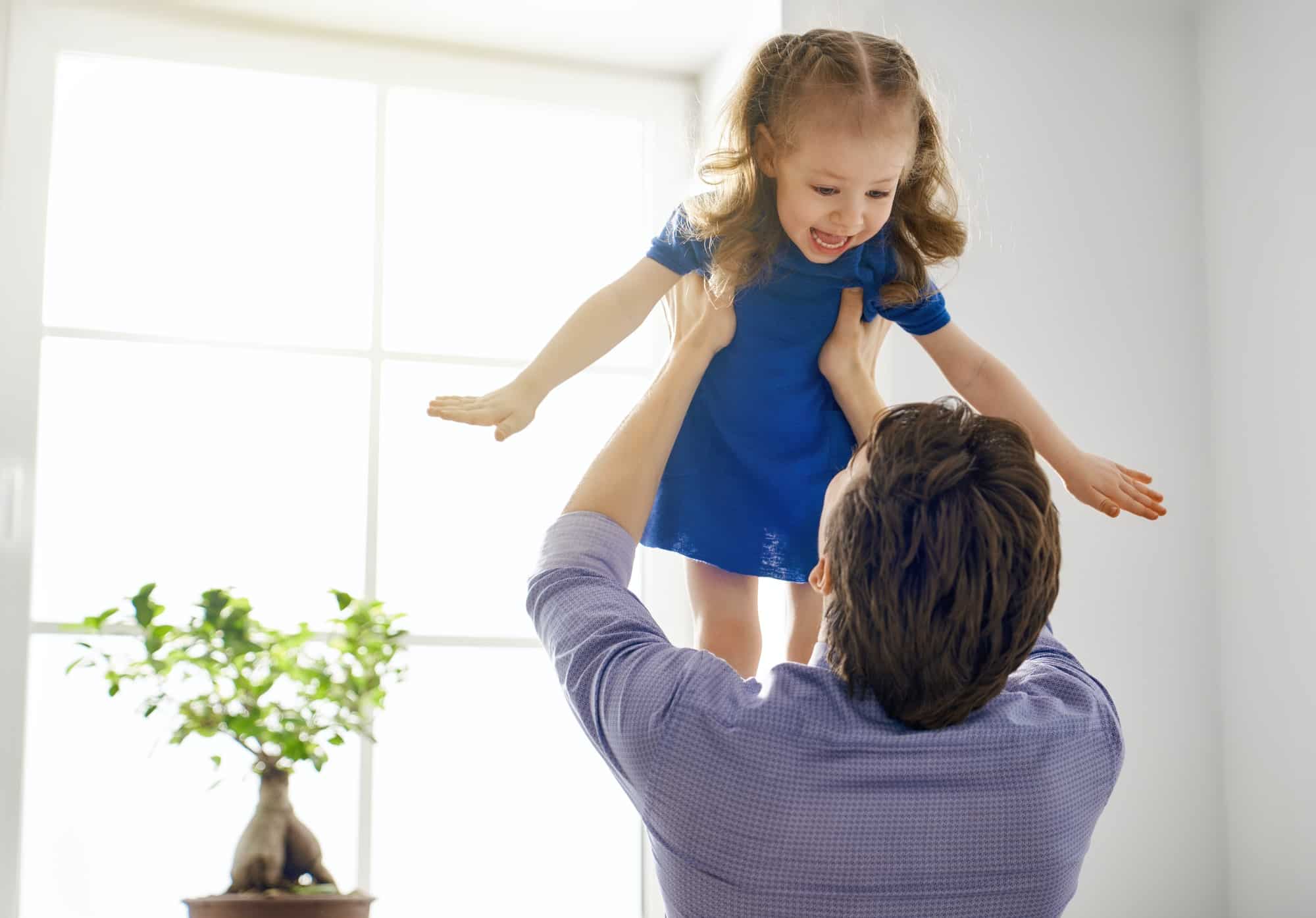
10 Signs Your Child May Need Occupational Therapy – Expert Tips
Occupational Therapy aims to helps people, both children and adults, learn how to effectively and appropriately live, act, and respond to their life, responsibilities, and others around them. Now, while most people don’t need help with these things, it is more common than you would think for someone to need Occupational Therapy. The best way […]
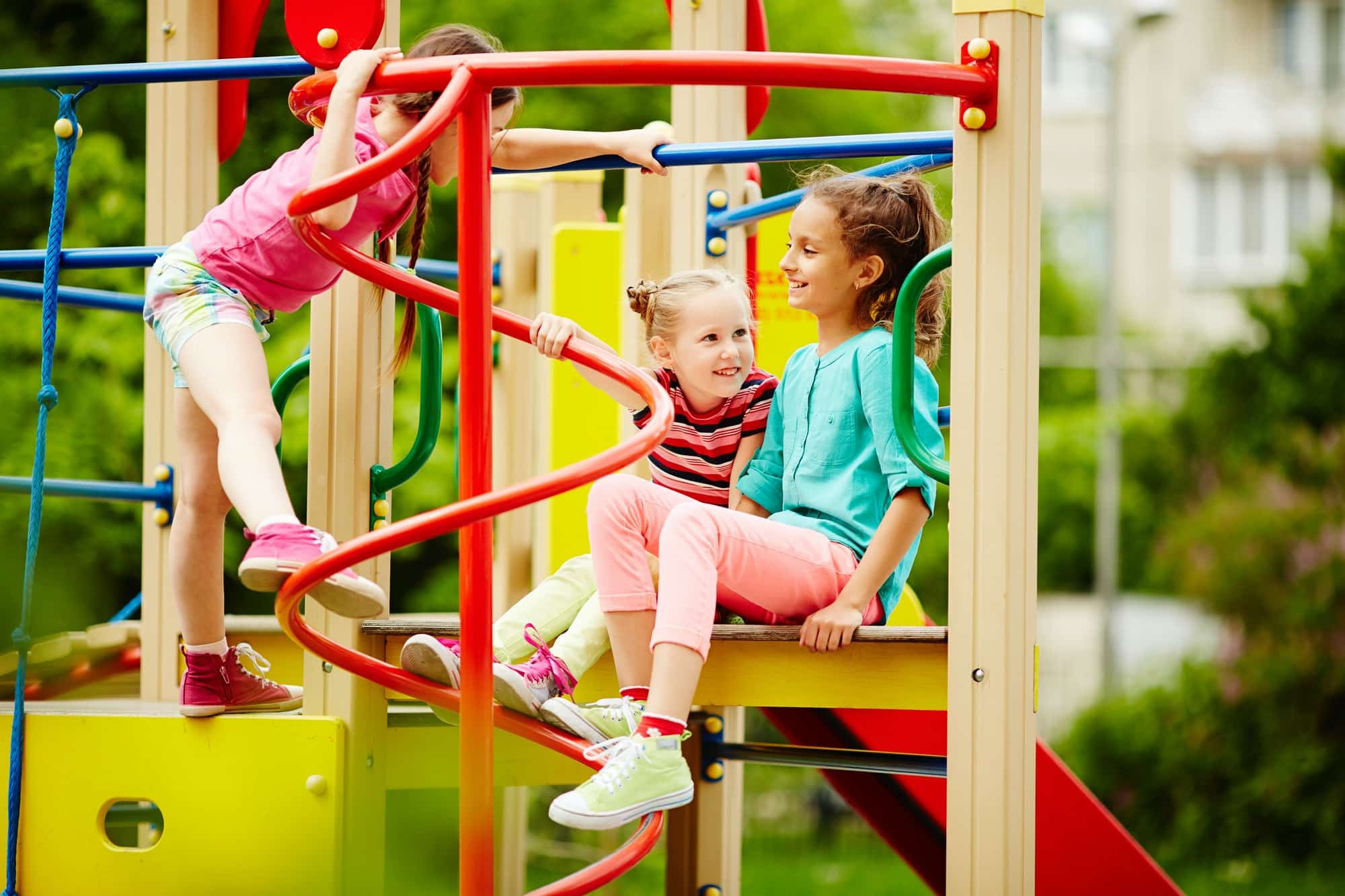
Why is Play Important for the Emotional Development of a child?
If you think back to your own childhood you probably remember playing with friends at lunchtime. Whether it was a simple game of tag, sports, or even fighting imaginary bad guys from your favorite cartoon, you probably saw these moments as a break from learning. Psychology, however, tells us that play is just important for […]
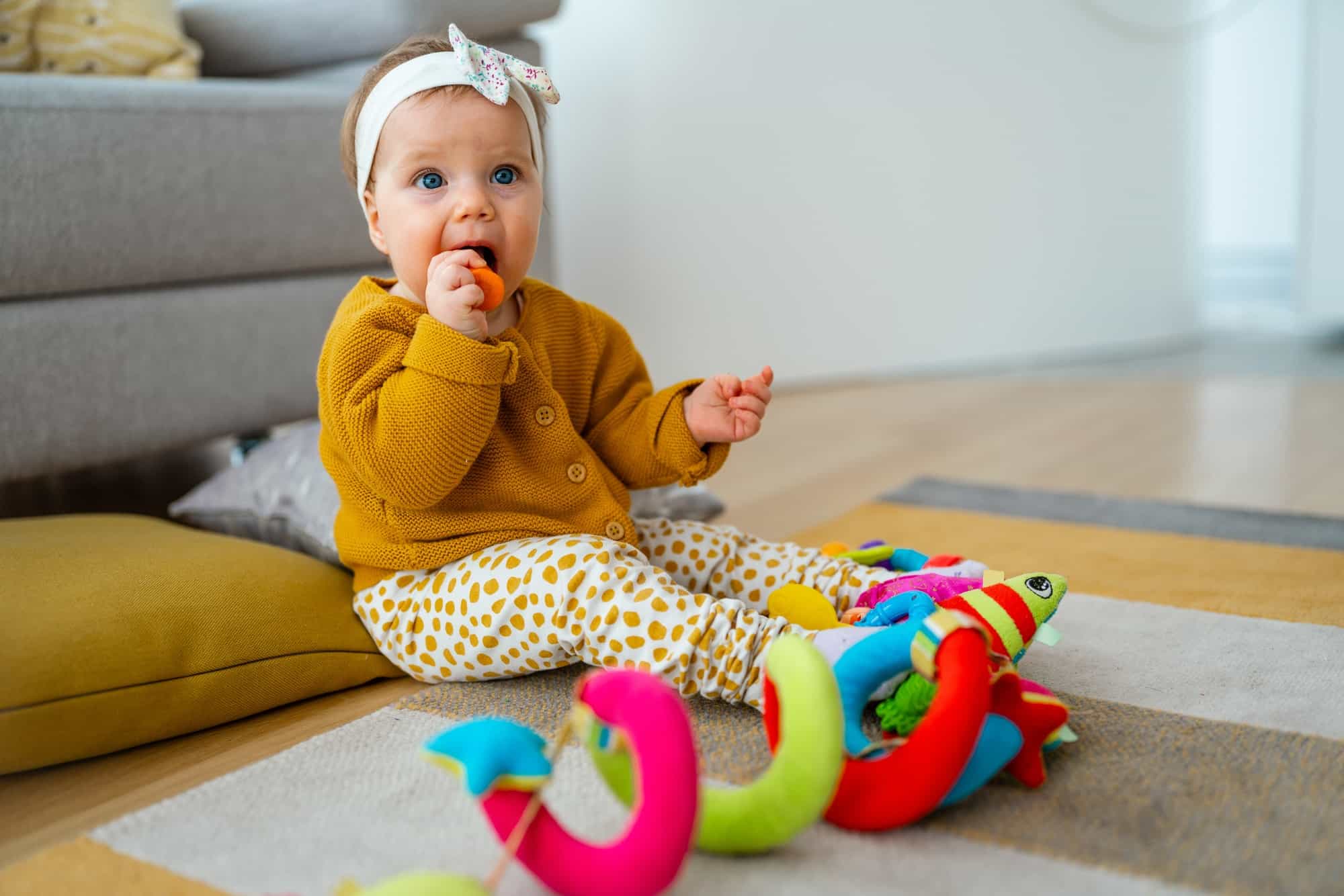
What Are Play Skills?
You’re never too old to play, but did you know that playing is an important part of a child’s development? There are different play skills that children learn from infancy throughout their childhood that are crucial to social, psychological, and physical development that can affect their lives and relationships as adults. Play skills are different […]
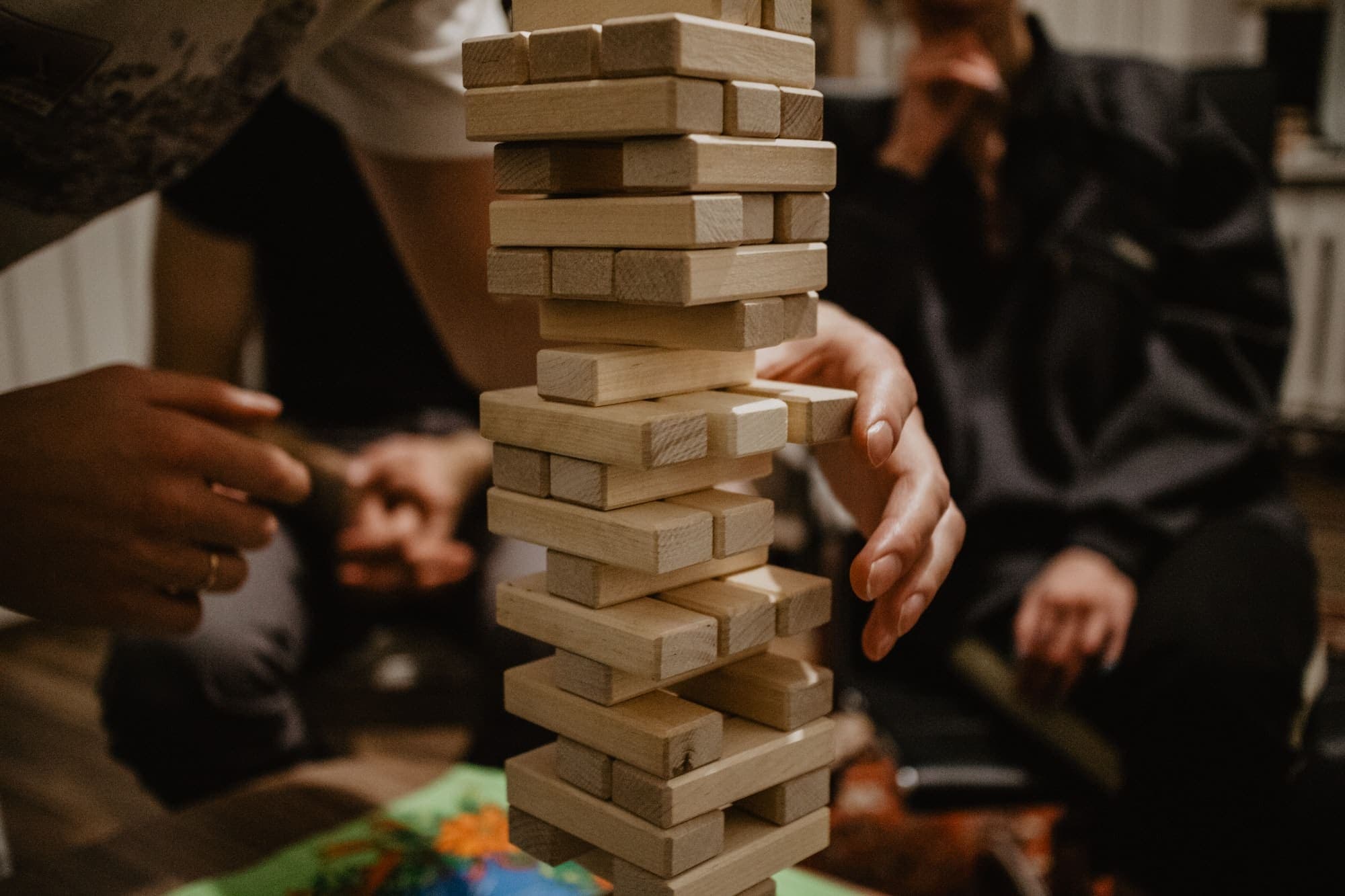
Social Skills For Kids: 10 Ways to Practice Social Skills at Home
A growing number of parents are finding that Australia’s National Disability Insurance Scheme doesn’t cover their child’s needs especially if they have high functioning Autism or ADHD. If you’re one of these parents, you’ve likely noticed that the resources necessary to help develop your child’s social skills are few and far between. Therefore, at Ready […]
Lift your whole centre, starting with one call.
Talk to our team. We'll walk through how Ready Kids fits into your centre, how we align with Kindy Funding and Kindy Uplift priorities, and what a partnership would look like for your educators.
A conversation, not a sales pitch.